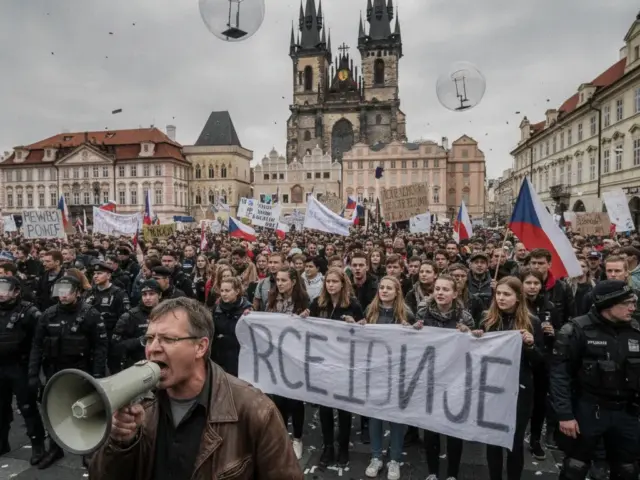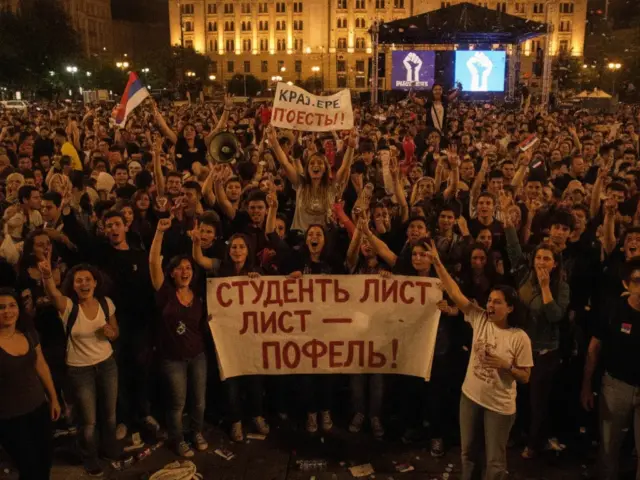

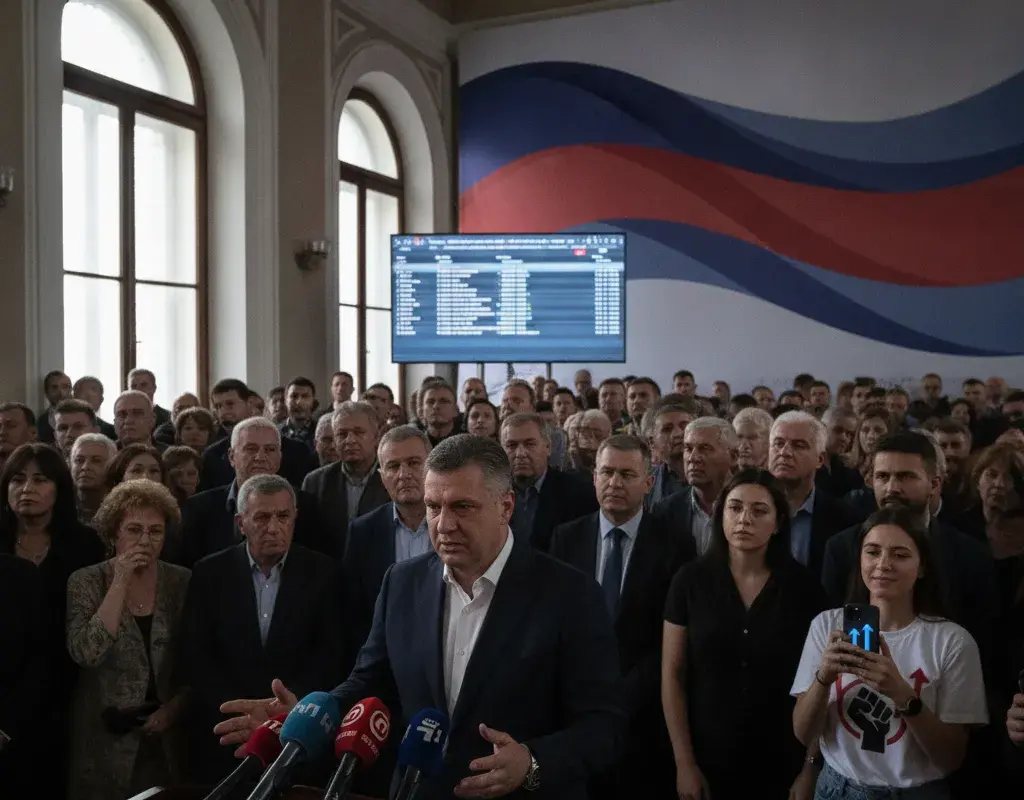
In a stunning reversal of political fortune, Aleksandar Vucic has conceded defeat after more than a decade of dominance over Serbian politics. Addressing his supporters at the Serbian Progressive Party headquarters in Belgrade, Vucic admitted that recent projections show his party trailing significantly behind the Students’ List, a newly formed movement born from grassroots activism. While Vucic attributed his downfall to biased media and foreign interference from the United States and Europe, the reality on the ground told a different story as thousands took to the streets of the capital to celebrate with car horns and cheers of victory.
This seismic shift is the direct result of nearly two years of escalating unrest triggered by a tragedy in Novi Sad, where 16 people died following the collapse of a train station canopy. What started as a demand for accountability regarding corruption and crumbling infrastructure quickly evolved into a nationwide rebellion against Vucic’s concentrated power. Led by physician Ilija Srdanovic, the student-led coalition successfully bridged gaps between university pupils, teachers, and farmers, channeling raw street energy into an organized electoral machine that saw voter turnout hit its highest level since 1992.
The international community reacted swiftly to the news, with European Union Commission President Ursula von der Leyen offering her congratulations and pledging support for democratic reforms. For many observers, this victory mirrors recent populist shifts elsewhere in Eastern Europe and signals a potential pivot in Serbia’s relationship with the West. Having long maintained close ties with Vladimir Putin and resisted sanctions against Russia, Vucic leaves behind a polarized nation now eager to explore whether this youthful surge can actually translate into lasting institutional change and transparency.