

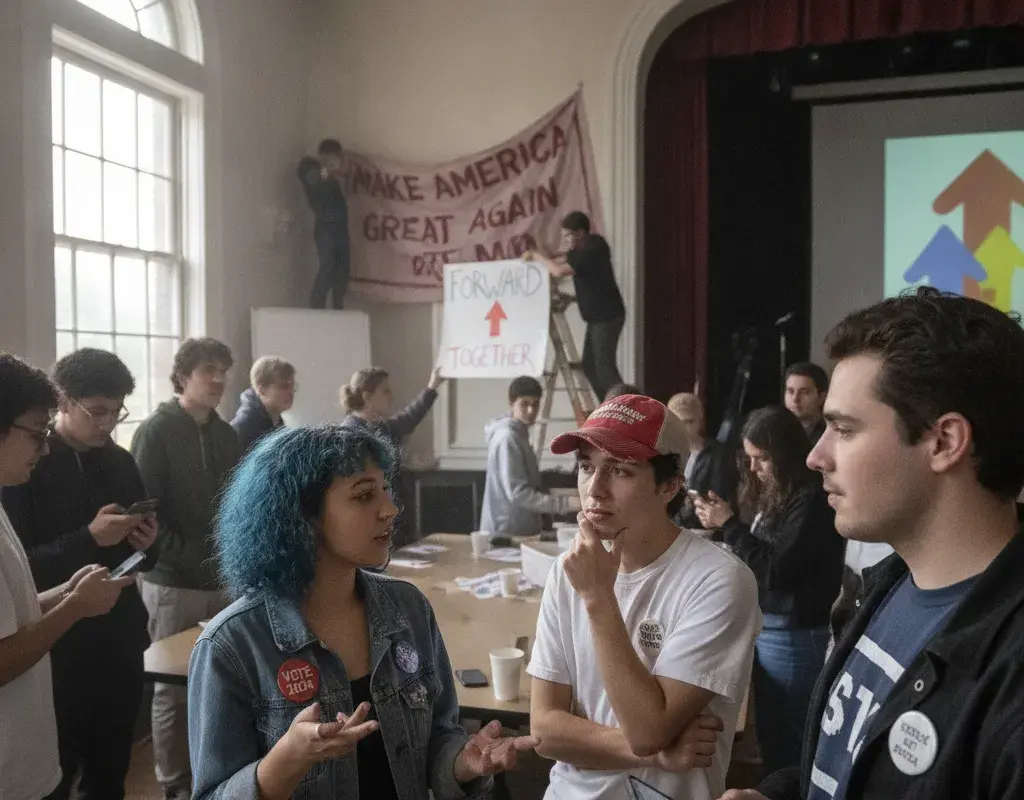
As the midterm elections approach, a significant shift is occurring among the youngest slice of the electorate. Just two years ago, political analysts were scrambling to explain a surprising surge of support for Donald Trump among Gen Z voters, sparking debates about whether TikTok algorithms and manosphere podcasts had successfully dismantled the progressive stronghold on youth politics. However, recent data suggests that this vibe shift may have been temporary. A new Pew Research Center poll reveals a stark divide in approval ratings based on age; while older Trump supporters remain steadfast, only 49 percent of those aged 19 to 34 who voted for him now approve of his performance.
The numbers indicate more than just a dip in popularity; they suggest a full-scale partisan reversion. After Republicans briefly took a slight edge with young adults in 2024, Democrats have reclaimed a commanding lead heading into 2026. This trend is compounded by a growing sense of apathy among young conservatives. According to a Harvard Youth Poll, there is now a massive gap in motivation between the parties, with half of young Democrats pledging to vote compared to only 34 percent of their Republican peers. Many who once saw Trump as an outsider capable of shaking up the system now feel he has simply become another part of the establishment they despise.
Political strategists believe this disillusionment stems from three distinct groups within the youth vote. While some remains hardcore loyalists, others are America First adherents who resent the president’s perceived embrace of traditional power structures and government excess. Then there is perhaps the largest group: pragmatic young men who voted for Trump not out of ideology, but out of frustration with woke culture and economic stagnation. For these voters, the remorse is rooted in material reality. They entered the booth hoping for lower costs and better job prospects, only to find that those promises remained unfulfilled.
Ultimately, this volatility highlights that Gen Z resists being pigeonholed into simple liberal or conservative boxes. Nearly half of young adults identify as something in between ideological extremes, viewing their political preferences through a lens of common sense rather than party platforms. As advocates note, today’s young voters are less interested in cultural warfare and more focused on tangible results regarding healthcare and housing costs. By prioritizing practical solutions over populist rhetoric, they are sending a clear message that loyalty ends where results fail to materialize.