
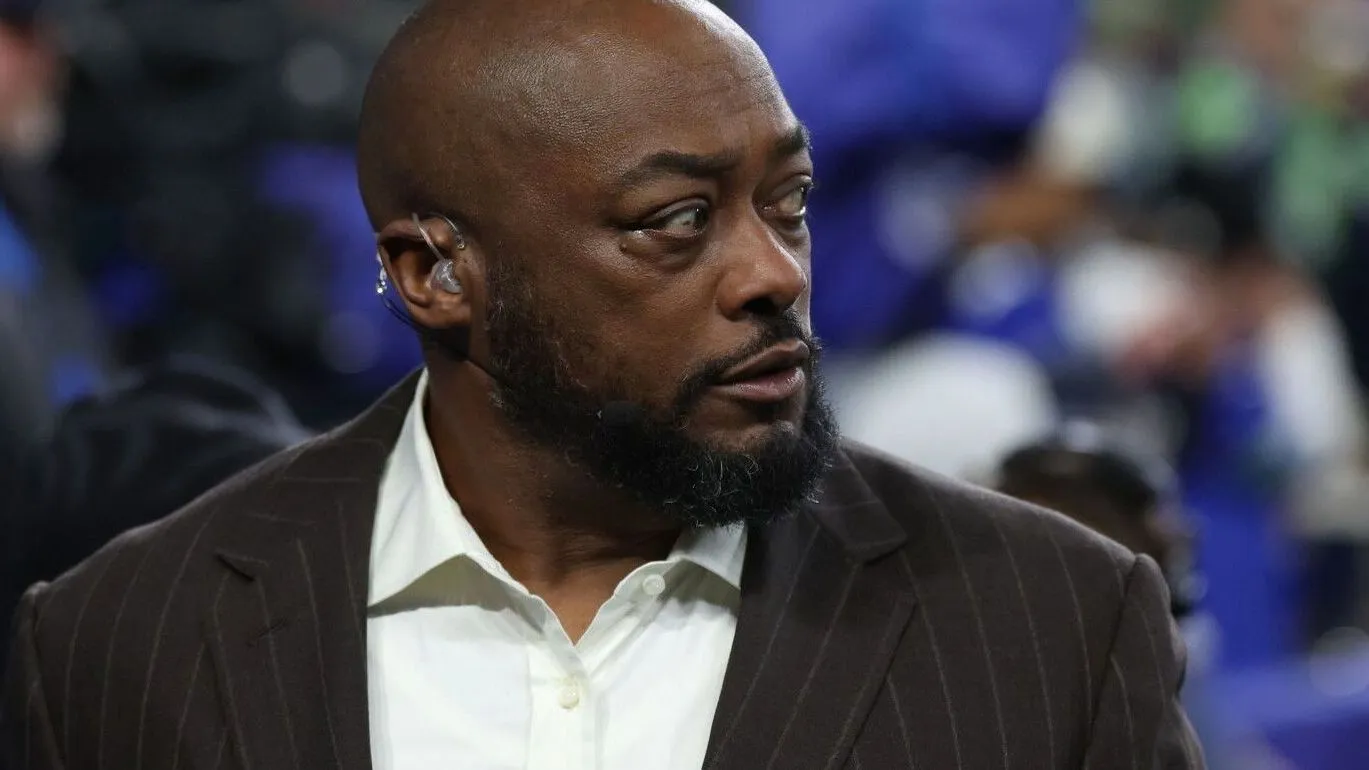
Mike Tomlin is not losing any sleep over a gutsy coaching call by Dan Campbell that left some observers scratching their heads during the Lions’ recent clash with the Packers. Facing a critical fourth and one from his own twenty four yard line with just under five minutes remaining, Campbell decided to forgo the punt and go for it. While the play ended in a two yard loss and gave Green Bay an incredibly short field, Tomlin believes the logic behind the risk was entirely sound.
Speaking with Mike Tirico following the Chiefs and Seahawks game, Tomlin explained that such decisions often boil down to the quality of the quarterbacks involved. He argued that when you are dealing with elite signal callers like Jordan Love, punting can sometimes be a surrender rather than a strategy. According to Tomlin, giving away possession against a high powered offense makes it far too likely that the opponent will simply march down the field and seal the victory without ever giving your own quarterback another chance to touch the ball.
Tomlin drew parallels to his own tenure with Ben Roethlisberger, noting that he was always prepared to take similar risks when matched up against other top tier passers. This philosophy emphasizes getting the ball back at all costs, whether through offensive success or defensive stops. In this specific instance, Campbell’s gamble paid off indirectly; despite the initial failure on fourth down, the Lions defense held firm and eventually blocked a field goal attempt to regain possession anyway.
This aggressive approach highlights a growing shift in how NFL games are managed, where gut feeling and advanced analytics frequently intersect to challenge traditional norms. History shows that Tomlin himself has walked this tightrope before, famously calling a fake punt from his own twenty yard line during a tie game against Cleveland back in 2014. By backing Campbell, Tomlin is reinforcing a modern league mentality where calculated aggression is preferred over conservative play when championships are on the line.