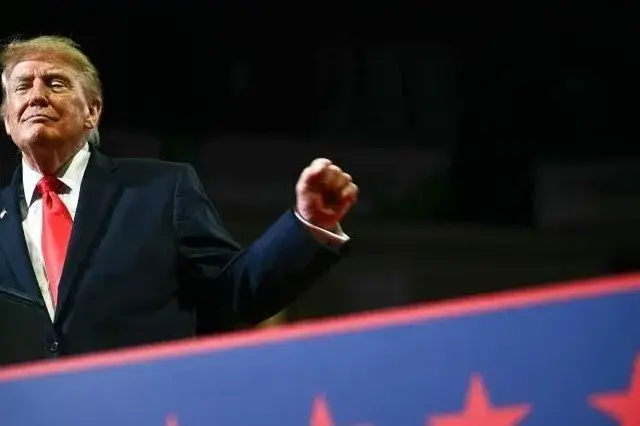

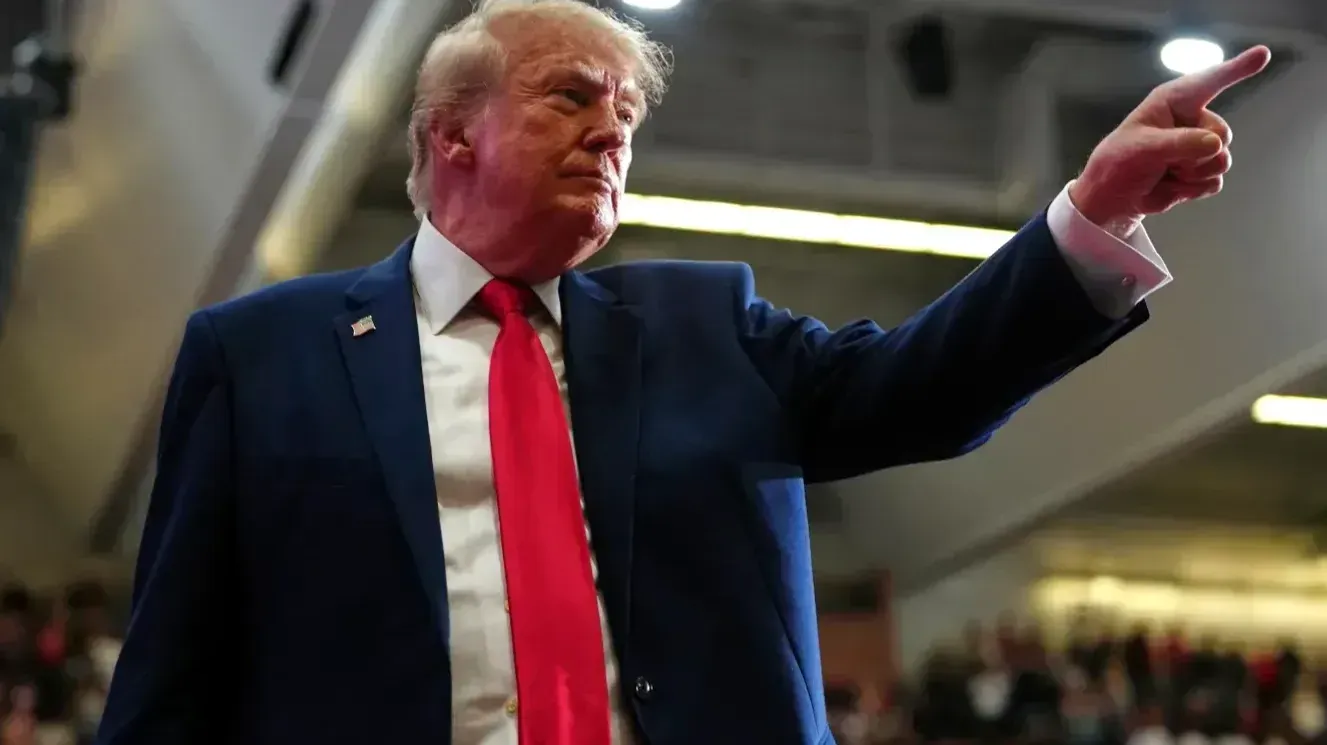
President Donald Trump ignited a fierce controversy during a Sunday campaign stop in Port Huron, Michigan, where he launched a series of aggressive attacks against Senate candidate Abdul El-Sayed. In remarks delivered at the McMorran Place Sports and Entertainment Center, Trump characterized the former Detroit health official as a jihadist and suggested that El-Sayed should be subjected to metal detectors before being allowed into the Senate. The president went further by invoking the tragedy of September 11, comparing the act of blocking El-Sayed from office to the bravery of the passengers on United Flight 93 who fought back against hijackers.
The escalation has caused immediate friction within Trump’s own coalition, specifically among Arab American voters whom he courted heavily in previous cycles. Bishara Bahbah, founder of Arab Americans for Peace and a former key ally who led outreach efforts in 2024, slammed the president’s language as racist and completely out of line. This public rift comes at a sensitive time for the Republican ticket, which is currently struggling to address voter concerns regarding inflation and rising fuel costs while navigating tensions surrounding the conflict in Iran.
El-Sayed, who would make history as the first Muslim senator if victorious, responded to the accusations with defiance during a subsequent rally in Grand Rapids. While acknowledging that Trump frequently mocks his name, El-Sayed told cheering supporters that he expects the president to simply call him senator after November. He has consistently denied any ties to extremist groups or the Muslim Brotherhood, despite GOP attempts to link him to those organizations via distant family members or associations with controversial political streamers.
As the battle for Michigan’s Senate seat intensifies between El-Sayed and Republican Mike Rogers, critics argue that the focus on identity is a distraction from policy failures. Senator Bernie Sanders joined El-Sayed on stage in Grand Rapids, arguing that the reliance on Islamophobia is a sign that Republicans have no meaningful answers for working families facing crises in healthcare and housing. With control of the Senate hanging in the balance across several states, this clash highlights a high stakes gamble by Trump to leverage divisive rhetoric to secure turnout in traditionally diverse districts.