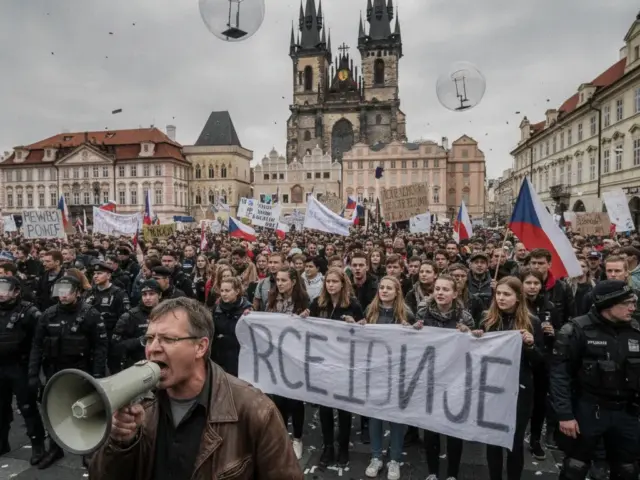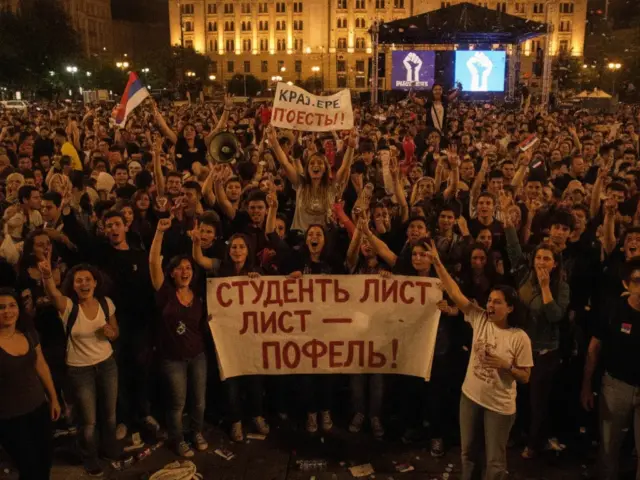

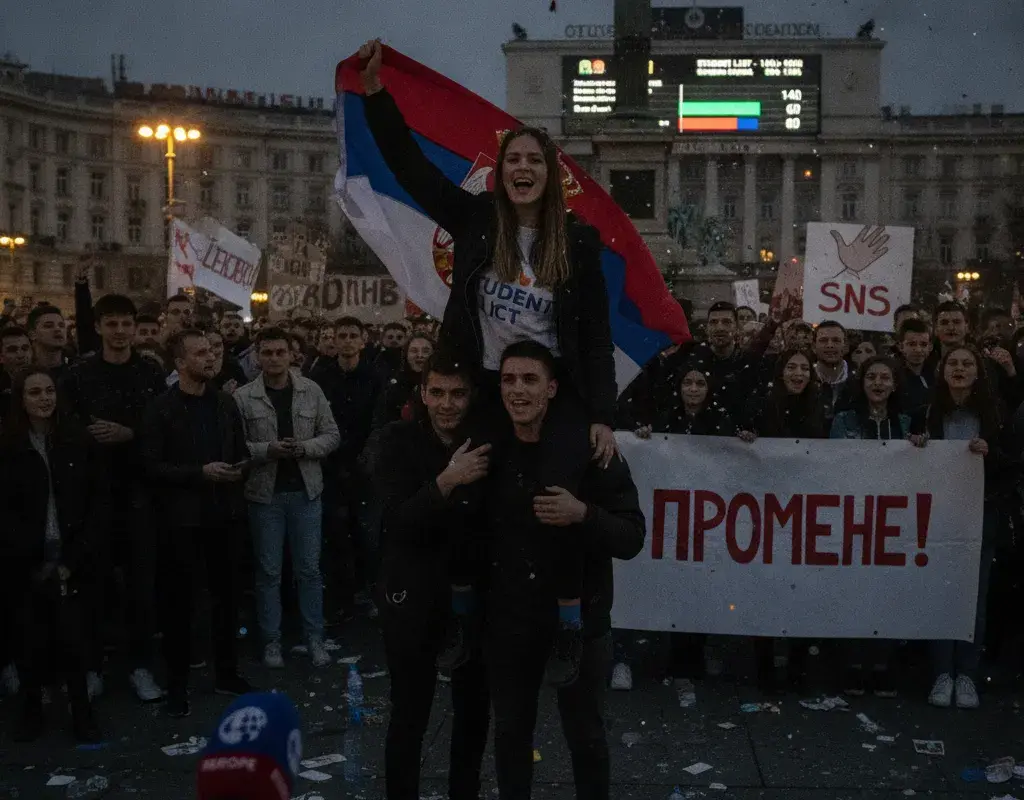
Serbia has woken up to a transformed political landscape following an election result that can only be described as a seismic shift. In a stunning reversal of fortune, the Student List has surged from a grassroots protest movement into the nation’s primary governing power, securing 140 of the 250 parliamentary seats. This landslide victory pushes the Serbian Progressive Party and its longtime leader, Aleksandar Vucic, into the opposition for the first time in nearly fourteen years, marking the definitive collapse of a political order that had exerted near total control over the state since 2012.
What makes this victory particularly striking is that the established opposition parties failed to deliver this blow; instead, it was a generation of students who broke Vucic’s monopoly on power. By converting street protests into electoral legitimacy, the youth movement tapped into a deep well of public exhaustion regarding personalized politics and concentrated authority. The sheer scale of the upheaval is evident in how traditional small parties were completely erased from parliament, failing to meet the three percent threshold and leaving behind a binary struggle between the newcomers and the former ruling elite.
The tremors of this earthquake extended far beyond university campuses, shattering longstanding alliances with ethnic minority communities. Groups like the Alliance of Vojvodina Hungarians and various Bosniak representatives, once reliable pillars of support for Vucic’s coalition, saw their influence plummet or their loyalties shift toward the student-led wave. The intricate web of patronage and partnership that helped maintain stability for over a decade has essentially dissolved overnight, leaving the SNS isolated and stripped of its historical safety nets.
International observers have reacted swiftly to what appears to be a fresh start for Belgrade. High ranking officials from Brussels, including Ursula von der Leyen and Antonio Costa, offered immediate congratulations, signaling hope that this transition will improve rule of law and democratic standards in Serbia. Perhaps most symbolically, warm wishes arrived from Hungary via Prime Minister Peter Magyar, suggesting that as regional dynamics shift across Central Europe, Serbia is finally stepping out from under its previous era and into an uncertain but hopeful new chapter.