
For fourteen years, Aleksandar Vucic operated as the undisputed architect of Serbian politics, mastering a system of rewards and punishments that left few rivals standing. After dominating the landscape as prime minister and president, the fifty six year old veteran appeared poised to secure yet another victory through a calculated political shuffle. In a move mirroring his ally Vladimir Putin, Vucic resigned from the presidency to seek the role of prime minister, launching a blitz of state media coverage and promising voters everything from cheaper medicine to increased pensions.
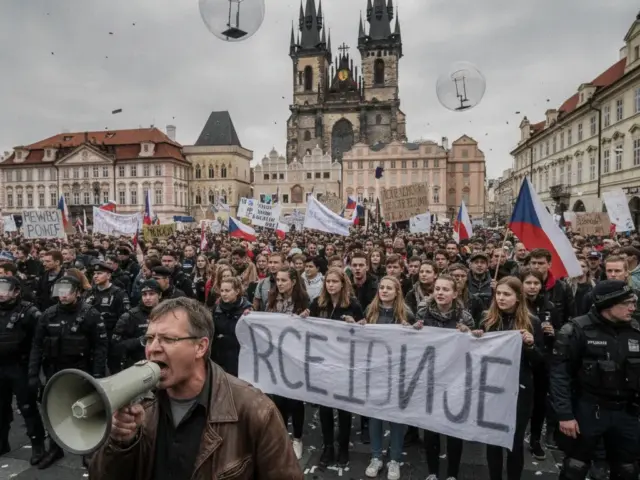
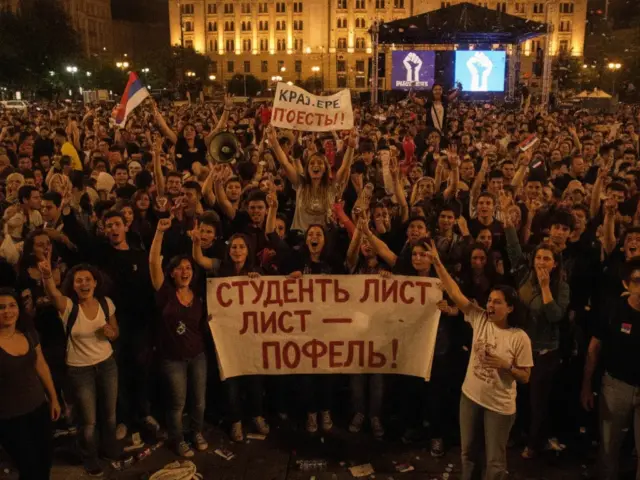
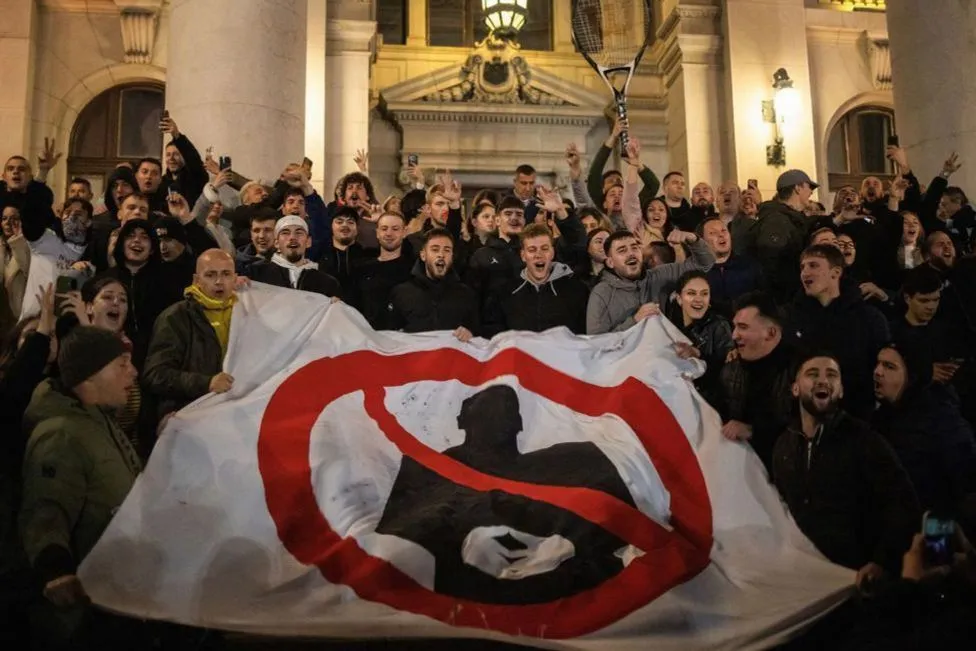
However, the machinery of power failed to account for a burgeoning grassroots rebellion led by university students. What began in 2024 as grief and anger over a deadly train station canopy collapse soon evolved into a broader indictment of Vucic’s tenure. The youth movement successfully framed their struggle not just around infrastructure failure, but as a fight against systemic corruption and organized crime that they argued had hollowed out the country. On Sunday, this momentum culminated in a historic parliamentary defeat for Vucic and his right wing Serbian Progressive Party.
True to form, Vucic remained defiant even in concession, dismissing the results as the product of foreign interference rather than domestic discontent. He claimed his ousting was a choreographed revolution backed by European nations and elements of the American deep state. It is a narrative consistent with his lifelong ability to pivot; Vucic transitioned from an ultranationalist advocating for Greater Serbia in the nineties to a pro EU reformer in 2012, before sliding back toward hard right populism in his final months of power.
The fallout from his departure has sent ripples through Moscow, where reactions remain mixed. While some Kremlin officials expressed hope for continued friendship with Belgrade, others viewed Vucic as a hypocrite whose attempts to play both sides finally caught up with him. For many Serbians, however, the result represents more than just a diplomatic shift. It marks the end of what academics describe as a textbook autocratic regime that exerted total control over the judiciary and media, proving that even the most seasoned political operator can be undone by a generation tired of waiting for change.