
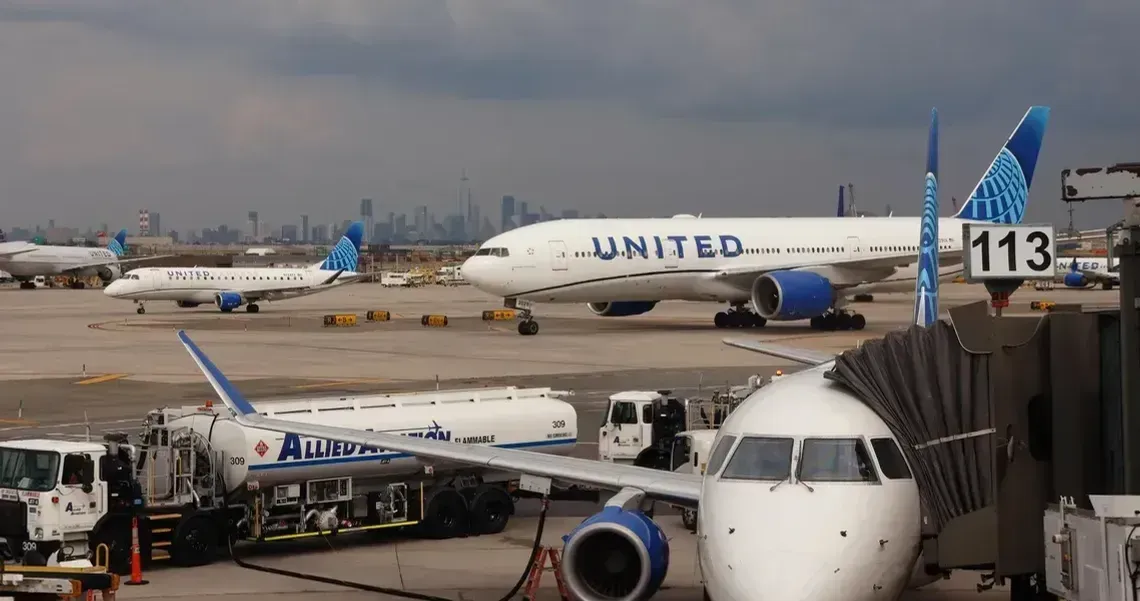
American skies finally began to return to normal on Saturday following a rare national ground stop that left thousands of travelers stranded and forced the cancellation of thousands of flights. Transportation Secretary Sean Duffy confirmed that operations have returned to full capacity, though he warned that lingering delays may persist through the weekend as airlines work to reposition crews and aircraft. The chaos began Friday afternoon when the FAA halted all departures out of an abundance of caution while more than 3,500 planes remained in the air. While all airborne aircraft landed safely, the ripple effect resulted in over 9,000 cancellations on Friday alone.
The root of the crisis appears to be a failure of aging infrastructure rather than any external threat. Officials explained that the disruption occurred during routine maintenance conducted by a contractor, L3Harris, who was replacing old copper wiring with fiber optics. During this process, a router reportedly began flooding the network with login attempts every few seconds, overloading systems across 17 different facilities. Government sources indicated the problem was tied to specific hardware manufactured between 2001 and 2006, highlighting a dangerous reliance on legacy technology that simply failed to meet the demands of modern aviation.
In the wake of the shutdown, federal officials were quick to dismiss theories of a cyberattack or AI interference, insisting instead that this was a systemic failure caused by outdated equipment. Secretary Duffy criticized certain contractors for providing poor service and noted that while recent investments have been made toward modernization, they are insufficient given the scale of the problem. This has prompted the administration to significantly increase its request for air traffic control funding to 50 billion dollars to prevent similar collapses in the future.
Despite the massive logistical headache for passengers at hubs like Atlanta, New York and Los Angeles, FAA Administrator Bryan Bedford maintained that flying remains entirely safe. He defended the decision to implement the ground stop as a necessary safety measure once stability could no longer be guaranteed across multiple facilities. With most schedules expected to recover by Sunday evening, officials expressed gratitude toward pilots and air traffic controllers for managing the crisis without compromising passenger safety.