
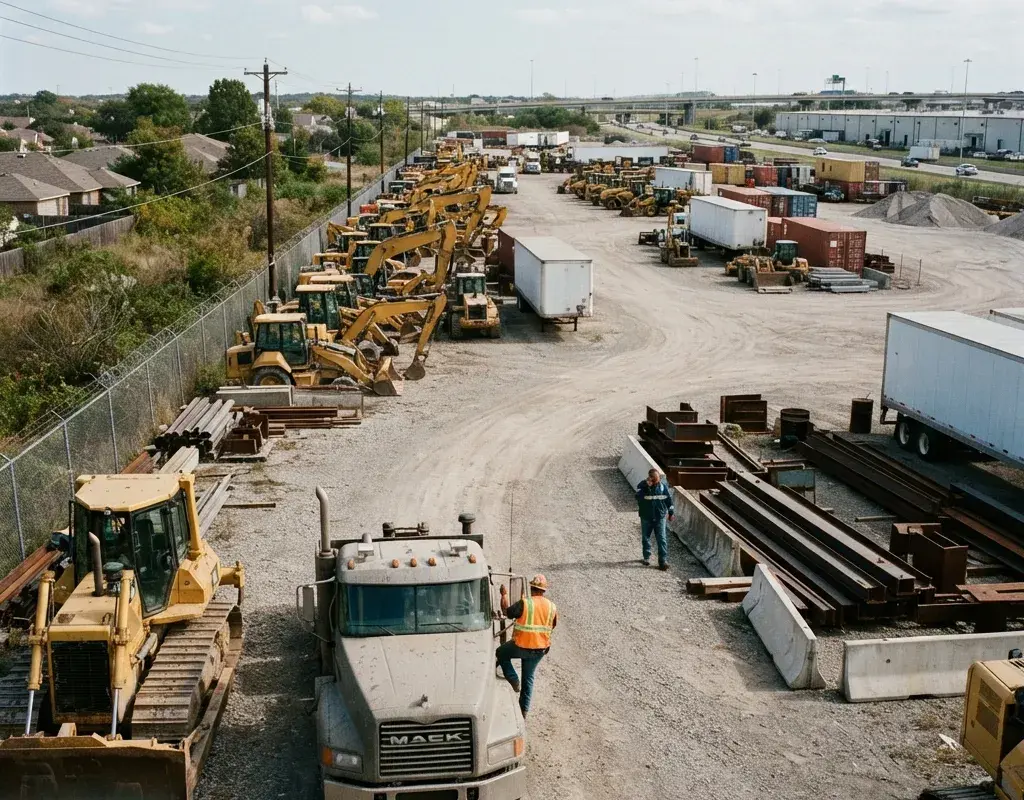
Across the sprawling suburbs of America, nondescript gravel lots filled with idling bulldozers and fleet trucks have long blended into the background of the industrial landscape. However, these unbranded patches of land, known in the trade as industrial outdoor storage or IOS, are suddenly becoming some of the hottest targets for Wall Street. Heavy hitters like Blackstone and Brookfield are pouring billions into the sector, recognizing that as AI infrastructure expands and supply chains tighten, the need for specialized space to house heavy equipment has skyrocketed.
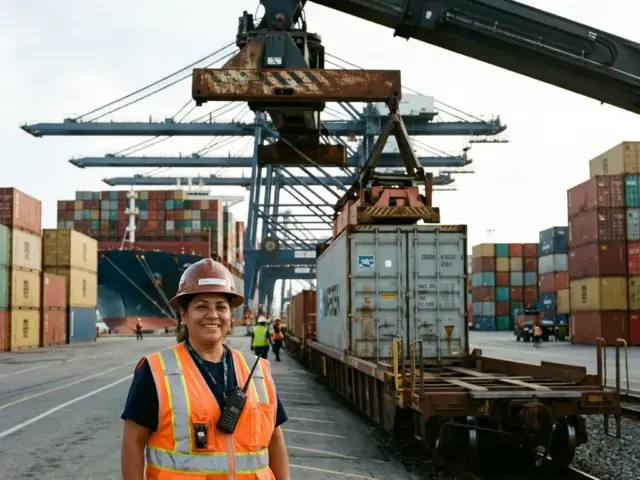
The financial incentive is clear when looking at the numbers. In several major markets, rents for outdoor storage have surged far beyond those of traditional indoor warehouses. According to recent data from Newmark Research and Alterra IOS, average monthly rents per usable acre jumped over 100 percent between 2020 and late 2024. Cities like Baltimore and Houston have seen explosive growth, driven largely by proximity to seaports, rail lines, and highways. While big firms are consolidating these assets through massive acquisitions and lending deals—such as Brookfield’s billion dollar move to take Peakstone Realty Trust private—they are finding a market that is surprisingly fragmented.
Despite the arrival of institutional giants, experts suggest that local entrepreneurs and smaller investors aren’t priced out yet. Because many of these lots are owned by mom-and-pop operators rather than corporations, there is still plenty of room for individuals to acquire smaller parcels of three to five acres in secondary markets. Unlike standardized warehouses with specific ceiling heights or square footage, every IOS lot is unique, making it difficult for giant funds to automate their buying process and leaving gaps for agile local players to secure high-yield properties.
However, entering this niche requires a careful eye on local government strategy. Industry veterans warn that zoning remains the biggest hurdle; without a deep understanding of city planning, an investor could accidentally purchase land slated for residential redevelopment or phased out of industrial use. Even with those risks, proponents argue we are only in the early stages of this boom. As available land continues to shrink due to urban sprawl and warehouse conversion, these simple dirt lots are transforming into essential pieces of national infrastructure with immense underlying value.