
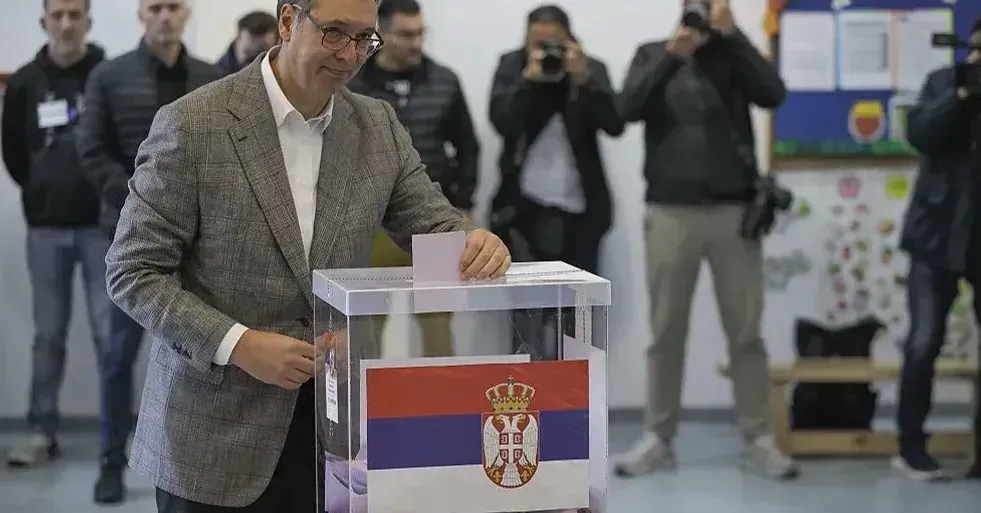
In a stunning reversal of power that has sent shockwaves through the Balkans, Aleksandar Vucic conceded defeat on Sunday, bringing an end to fourteen years of nearly absolute control over Serbia. The long-serving leader and his right-wing Serbian Progressive Party were ousted by the Students’ List, a diverse coalition born from a grassroots movement of university students who spent two years protesting government corruption. Addressing his supporters shortly after polls closed, Vucic admitted that the youth-backed opposition would secure between 135 and 140 seats in the parliament, comfortably surpassing his own party’s projected tally of around 105.
While celebratory crowds flooded the streets of Belgrade chanting that Vucic was finally gone, the outgoing leader refused to accept the loss without grievance. Even as he acknowledged the numbers, Vucic pointed fingers at independent media outlets and alleged interference from an American deep state and unnamed European nations. His downfall follows a period of eroding popularity sparked largely by a tragic railway station collapse in Novi Sad in 2024, which became a symbol of systemic graft and cronyism under his administration. For many young Serbians, that tragedy served as the catalyst for a movement dedicated to restoring democracy and transparency.
The victory is particularly notable because of how the Students’ List structured its campaign. Rather than running student politicians, the movement fielded a slate of experts, artists, athletes, and farmers to signal a move away from one man rule toward collective governance. These activists traversed the countryside on bicycles and foot to win over rural voters who had traditionally remained loyal to Vucic’s populist rhetoric. Their success mirrors a growing trend across Europe where disenfranchised youth are mobilizing to challenge autocratic leaders, echoing similar shifts recently seen in neighboring Hungary.
Despite reports from international monitors regarding voter intimidation and ballot irregularities, high turnout suggests a population eager for change. With roughly seventy percent of eligible voters participating—a level not seen since 2000—the result marks a decisive break from an era defined by tight media control and political repression. As Serbia prepares for this transition, the eyes of the European Union remain fixed on whether this newfound democratic momentum will pave a smoother path toward membership in the bloc.