

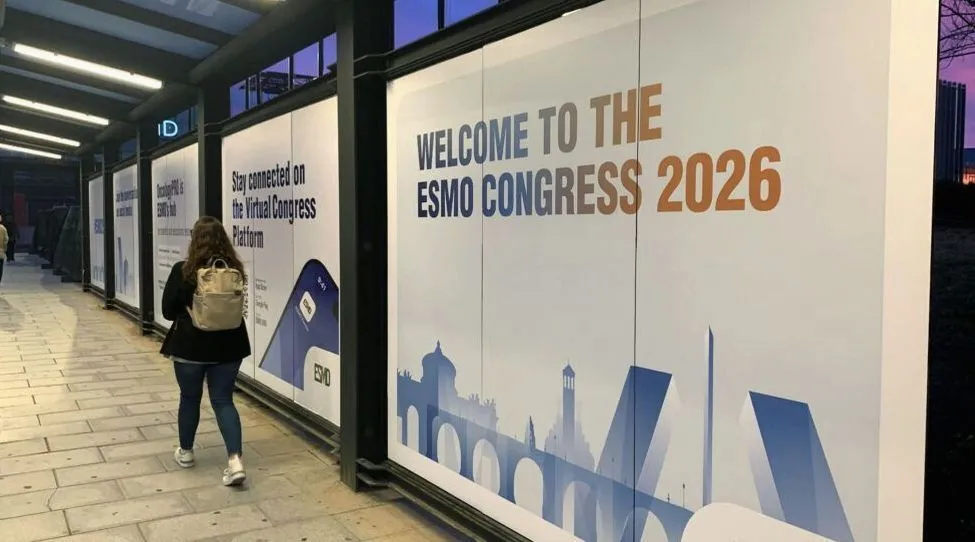
Medical history shifted this past weekend in Madrid as researchers unveiled the first pivotal trial proving that a customized mRNA treatment significantly improves survival rates for cancer patients. The study, conducted by Merck and Moderna, focused on a bespoke vaccine known as intismeran used in combination with the checkpoint inhibitor Keytruda. Together, these therapies reduced the risk of recurrence or death by forty two percent compared to using the drug alone, marking a watershed moment for oncology.
For many in the scientific community, this result feels like an escape from a dark era of research. Experts noted during the European Society for Medical Oncology meeting that the quest for an effective cancer vaccine has been defined by nearly a century of disappointment and failed attempts. By leveraging the same mRNA technology that revolutionized responses to global pandemics, scientists have finally found a way to tailor treatments to the specific genetic makeup of a patient’s tumor.
The focus is now shifting rapidly from proof of concept to practical application. Melanoma specialists are already discussing how to integrate this personalized medicine into standard clinical care and determining how quickly such complex treatments can be manufactured at scale. While current success centers on skin cancer, there is widespread optimism that this framework could eventually be adapted to fight various other types of malignant tumors across different organs.
As the medical world celebrates this victory, the broader challenge remains deployment. Because each dose must be custom built for the individual patient, scaling production without sacrificing precision will be the next great hurdle for biopharma companies. Despite these logistical hurdles, the mood among attendees in Madrid was one of cautious triumph, recognizing that a door has opened which had remained shut for generations.