
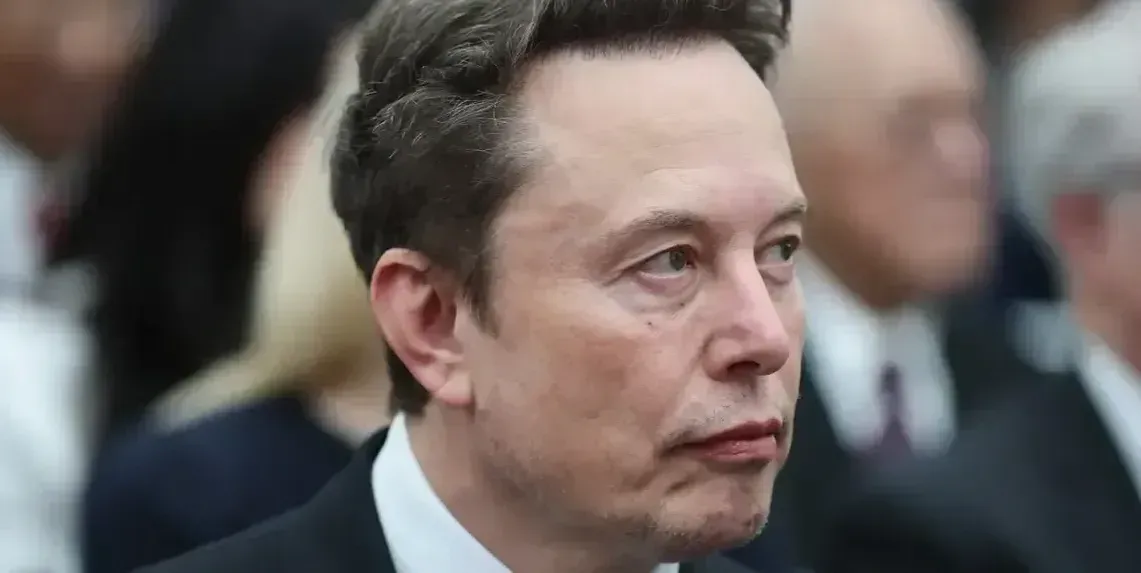
Elon Musk has cast a shadow over the future of neocloud providers, predicting a wave of failures he described as guppy-level death. In a series of posts on X, the SpaceX CEO targeted specialized cloud companies like CoreWeave and Nebius that focus almost exclusively on providing computing power for artificial intelligence. According to Musk, these firms are dangerously exposed because they lack diversified revenue streams, making debt markets hesitant to finance their growth. While SpaceX has secured 40 billion dollars in debt for its own GPU acquisitions, Musk noted that his company is insulated by the steady income generated from rocket launches and Starlink.
The critique came as part of a broader conversation with venture capitalist Chamath Palihapitiya, who characterized the sector as disorganized and poorly capitalized. When some observers questioned whether Musk was attempting to drive down valuations to acquire these companies at a discount, he dismissed the idea entirely, calling such an acquisition pointless. His comments align with recent market trends, as several prominent neocloud stocks have plummeted between 30 and 37 percent over the last month amid growing concerns regarding high debt levels.
Beyond financial instability, Musk warned of a looming infrastructure crisis involving stranded compute. He suggested that many data centers will remain partially incomplete or unable to support the hardware being delivered. This issue is already manifesting among industry giants; reports indicate that Amazon Web Services may be forced to store billions of dollars worth of Nvidia equipment in warehouses simply because existing facilities lack the electrical power required to run them. Recent research suggests only about a third of planned U.S. data center capacity will actually be realized, leaving newcomers struggling to compete with established hyperscalers.
This volatility extends beyond cloud infrastructure into the realm of small AI model developers known as neolabs. Despite receiving massive funding rounds, startups led by former OpenAI executives face grueling competition from behemoths like Anthropic and Google. As venture capitalists begin to debate whether these labs were overhyped during the initial AI gold rush, it appears that both the builders and the hosts of AI technology are entering a period of harsh consolidation where only those with deep pockets or diverse business models will survive.