
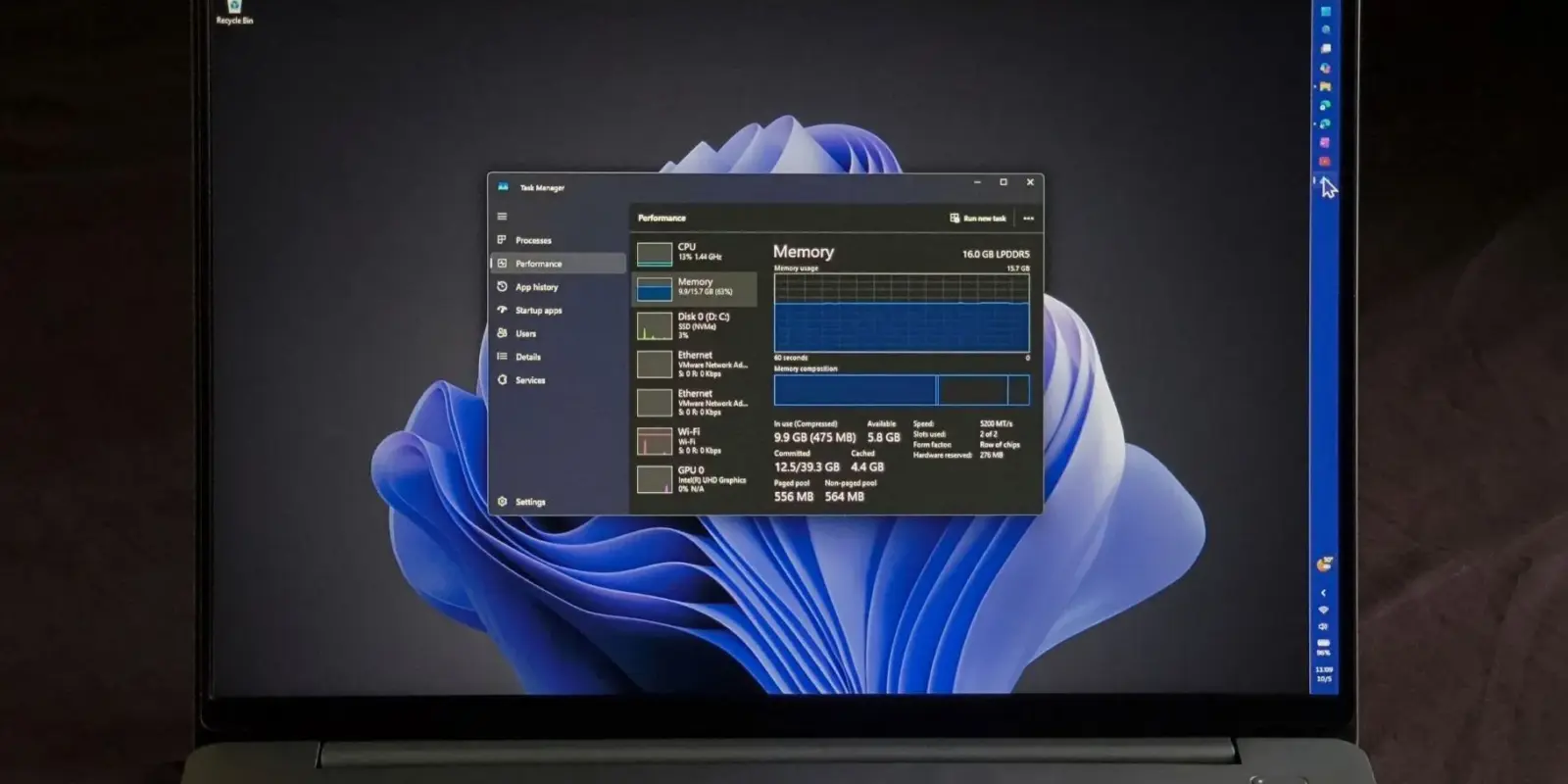
Microsoft is currently testing a tempting new feature for Windows 11 users called Advanced Performance Extensions, or APX. A toggle for this setting recently appeared in preview builds for Windows Insiders, promising better overall system performance. On paper, it sounds like a dream update for anyone wanting a snappier computer, but there is a significant catch. Because the feature relies on fundamental hardware changes within the processor itself, almost every single PC currently sitting on a desk today will be unable to use it.
To understand why your current machine is left out, you have to look at how CPUs handle data using things called registers. These are tiny, lightning fast storage spots inside the processor that hold immediate values for active tasks. Intel’s new APX technology effectively doubles the number of these general purpose registers from sixteen to thirty two. By giving the processor more room to store values locally, it reduces the amount of time spent moving data back and forth from the main memory, which theoretically streamlines everything from app launches to complex workloads.
While the potential gains are impressive, including reports of fewer instructions being needed to run certain pieces of code, this isn’t something a simple software patch can fix. Since APX requires physical architectural changes to the chip, it will likely be reserved for future hardware like Intel’s upcoming Nova Lake family. This puts Microsoft in a familiar position as they prepare for the end of Windows 10 support in 2027; by introducing features that require brand new silicon, they create a powerful incentive for users to trade in their old laptops for newer models.
For those who aren’t planning an immediate hardware upgrade, there is still some good news. Existing Windows 11 machines can still take advantage of the Low Latency Profile, a separate optimization tool that improves the responsiveness of elements like the Start menu and various application launches. While it doesn’t offer the deep architectural leap that APX does, it provides a tangible speed boost without requiring a trip to the electronics store. For now, the APX toggle remains a glimpse into the future—one that requires a new motherboard and CPU to actually activate.