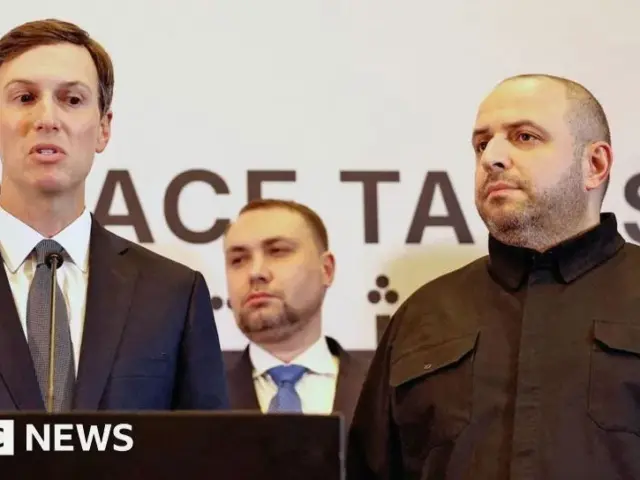

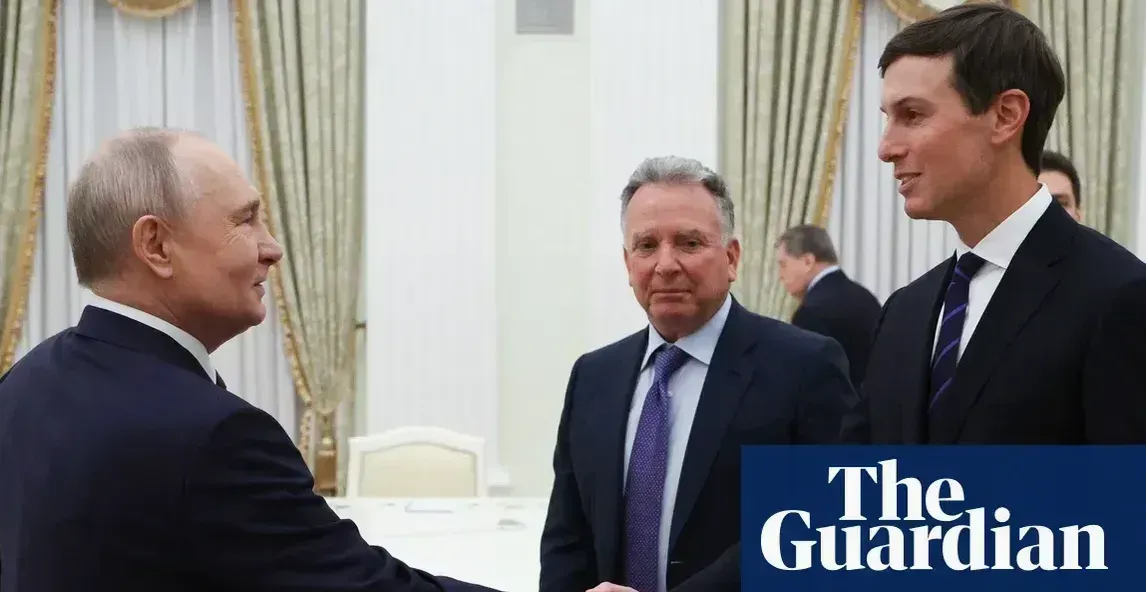
Diplomatic efforts to end the war in Ukraine hit a significant wall this week as Vladimir Putin delivered a stern warning to United States envoys during meetings at the Kremlin. Speaking with Jared Kushner and Steve Witkoff, the Russian president refused to budge on his demand for full control over four annexed Ukrainian regions and explicitly threatened to target any foreign troops deployed to the country. By dismissing the idea of international peacekeepers as a continuation of hostilities, Putin effectively dampened hopes that a peace deal could be reached within the window of opportunity previously suggested by President Volodymyr Zelenskyy.
While the U.S. delegation seeks to bring European powers into a formal four-way dialogue, Moscow is attempting to pivot the conversation toward a broad restructuring of European security architecture. This shift has met with skepticism from Brussels, where EU foreign policy chief Kaja Kallas dismissed such talks as a distraction from Russia’s ongoing aggression. While Washington and Moscow are pushing for Europe to appoint a single representative for these negotiations, EU leaders remain divided on whether such a figure is necessary or even feasible given current geopolitical tensions.
As diplomacy stalls, Ukraine is facing critical challenges on the battlefield due to renewed disruptions with Elon Musk’s Starlink satellite service. President Zelenskyy accused the provider of deliberately restricting speeds on Starshield, the military version of the network, making it significantly harder for Ukrainian forces to intercept advanced Russian drones. These technical hurdles come at a precarious time, leading Kyiv to seek urgent explanations from Washington over what they believe are intentional outages that directly aid Russian strike capabilities.
The American envoys are now traveling to Dublin to brief Zelenskyy on the frosty reception in Moscow amid a larger summit of European leaders. Despite the push for mediation led by Kushner and Witkoff, figures like French President Emmanuel Macron have emphasized that Europeans must ultimately define their own security future regardless of U.S.-led initiatives. With Germany calling for proof that Putin is actually ready to negotiate before appointing an envoy, the path toward a ceasefire remains obscured by rigid demands and failing infrastructure.